When we go to space, let’s bring nature with us
Mission
Pioneer Labs engineers life to make Mars more habitable. We make the universe friendlier to life, on Earth and beyond.
We are a nonprofit research organization based in San Francisco, California. We do moonshot marsshot science with an agile, startup-like team.

Announcing the First Microbe for Mars
A long way from home
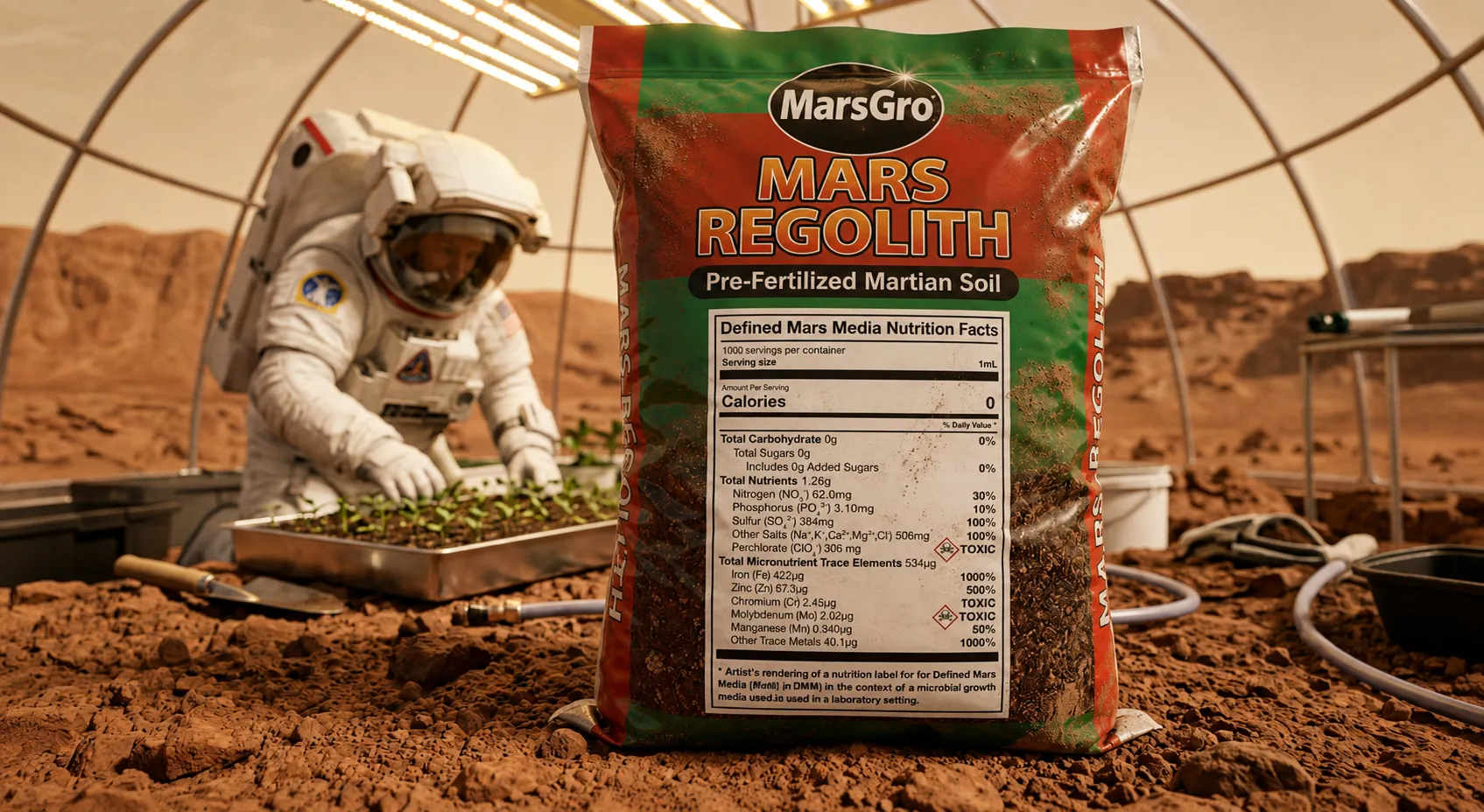
Mars is a bitterly cold, punishing desert. Intrepid rovers have discovered huge stores of water locked just beneath the desert surface, a remnant of the warm, water-filled place it was 4 billion years ago. But today, visits by anything more than the hardiest of robots are a daunting proposition in an environment so hostile to life.

Life finds a way
And yet, as impossible as it should be to survive on Mars, the tremendous diversity of life on Earth is cause for hope. There are examples of extreme life on Earth capable of surviving the five major stressors found on Mars individually. Given enough time, and perhaps a helping hand from humans, could life find a way to thrive?

Work together with nature
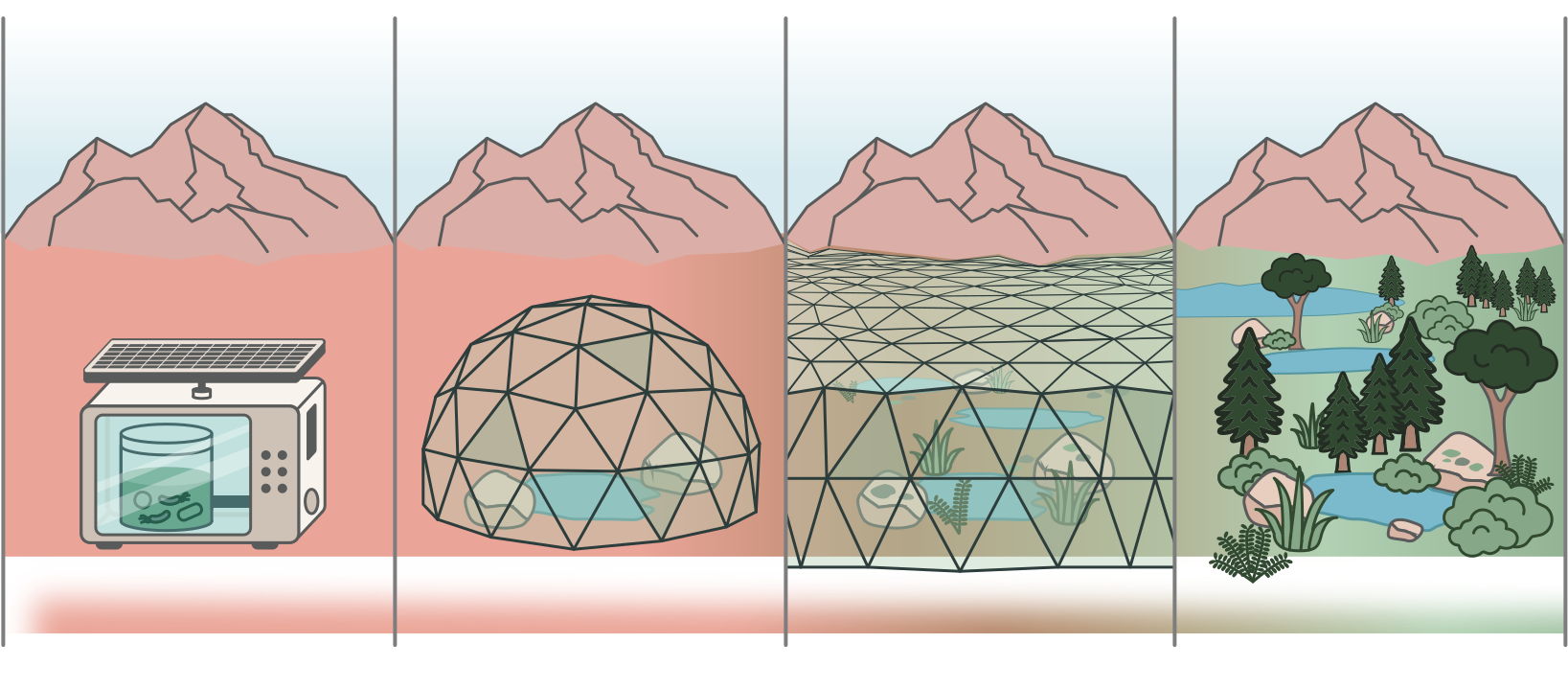
We engineer life to make Mars more habitable. Our pioneer species can build habitats, remove toxins, create fertile soil, and generate oxygen. One step at a time, every organism that grows makes Mars a friendlier place for the life that comes next. In the short term, this technology will enable the first humans to set foot on Mars. In the long term, we can work together with nature for mutual benefit, perhaps one day creating an entire planet full of thriving life.
Explore our science